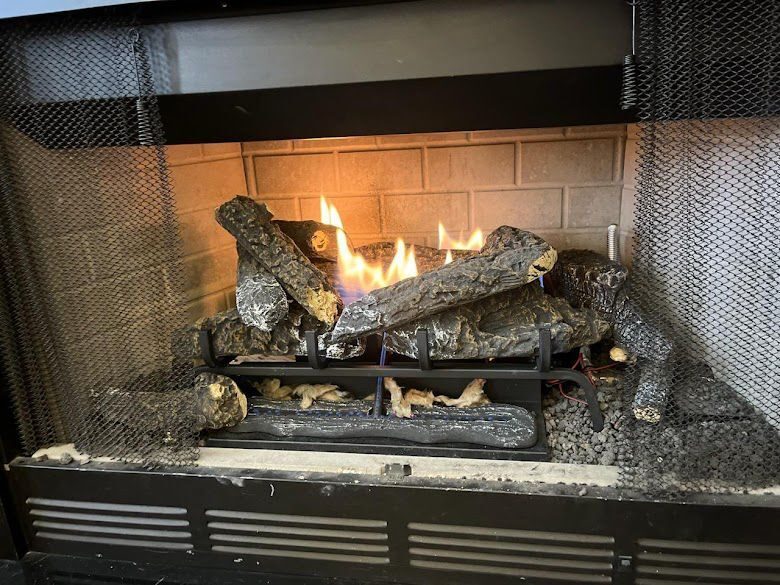
A picture of a gas log set can make installation look like a decorating choice: select the flames, pick the logs and place them in the firebox. The real decision begins with the existing fireplace and the appliance listing. Vented and vent-free log sets are different products with different installation, operating and ventilation requirements. This guide gives Coral Gables homeowners the questions to take to a qualified installer, not permission to install either type in a particular house.
A vented gas log set operates with a vent path as specified for that product and fireplace. A vent-free product, where permitted and suitable, has different requirements and limitations. Availability in a store does not establish that it is allowed under the rules applicable to your address or appropriate for your existing firebox. Manufacturer instructions and the current local authority matter. A masonry opening, factory-built fireplace and gas insert should not be treated as equivalent boxes into which any product can be dropped.
The pre-purchase worksheet
- Identify the existing fireplace type and any manufacturer/model information.
- Find out whether the present chimney and damper have been inspected for the proposed use.
- Ask what fuel the home has: natural gas or propane. The product must be appropriate for it.
- Ask the installer which listing and installation instructions apply to the particular set and firebox.
- Check current permit and inspection requirements with the relevant Coral Gables authority and qualified contractor. Do not rely on a blog written in another state.
- Ask how any gas piping work will be performed by the appropriately qualified trade.
- Keep the manual and service records after installation.
The National Fireplace Institute identifies gas log sets, gas fireplaces and inserts as distinct hearth categories requiring technical decisions about gas supply and venting. That is why a proposal should name the product and the compatible system, not only “install gas logs.” Decorative appearance, heating expectations and maintenance also differ; have the installer explain what the selected product is designed to do.
If you are converting from wood use
Do not assume that an old wood-burning chimney is ready for a gas appliance simply because it carried smoke before. An inspection may be needed to evaluate condition and compatibility, and the selected appliance may have its own venting requirements. A change of fuel can affect the appropriate inspection scope. If the homeowner's aim is convenient flame rather than substantial heat, explain that aim before choosing between a log set and an insert.
A transparent gas log installation estimate should list the product, labor, gas trade/permit scope where applicable, any needed venting work, and what is excluded. If a gas odor is present at any stage, leave the area and contact the utility and emergency responders from a safe place. There is no reason to troubleshoot a suspected leak using a decorative product brochure.
Read the label before debating preference
The first decisive document is not a retailer's comparison chart; it is the listing and instructions for both the existing fireplace and the proposed gas set. A product may specify conditions for a particular firebox, vent arrangement or room. The qualified installer should identify what is already installed and what the new unit requires. If old wood-burning components remain, do not assume they can be ignored after changing fuel. A conversion is a system decision.
Talk plainly about expected use. Is the goal occasional ambience, supplemental heat or a convenient flame for guests? These priorities can point toward different appliance categories, but no blog can pick a legal and compatible one without examining the home. Ask how the chosen product will be operated and maintained, what annual inspection or service the manufacturer recommends, and which user controls should be explained at handover.
Price comparisons also need consistent scope. One proposal may include a new gas supply, permit and vent inspection; another may assume all of that exists and quote only a log set. Put them side by side with a list of included and excluded tasks. Any claim that a product is “permitted anywhere in Florida” should be checked against current state/local requirements and the appliance listing for the actual address, not repeated from marketing copy.
Keep the manual and installer’s record with the home. If the property is sold later, those documents can show what appliance was chosen and which fireplace was evaluated. An attractive flame in a photograph cannot communicate the venting and fuel decisions behind it.
Further reading: NFI homeowner hearth-appliance categories; Florida Building Code portal.