Cleaning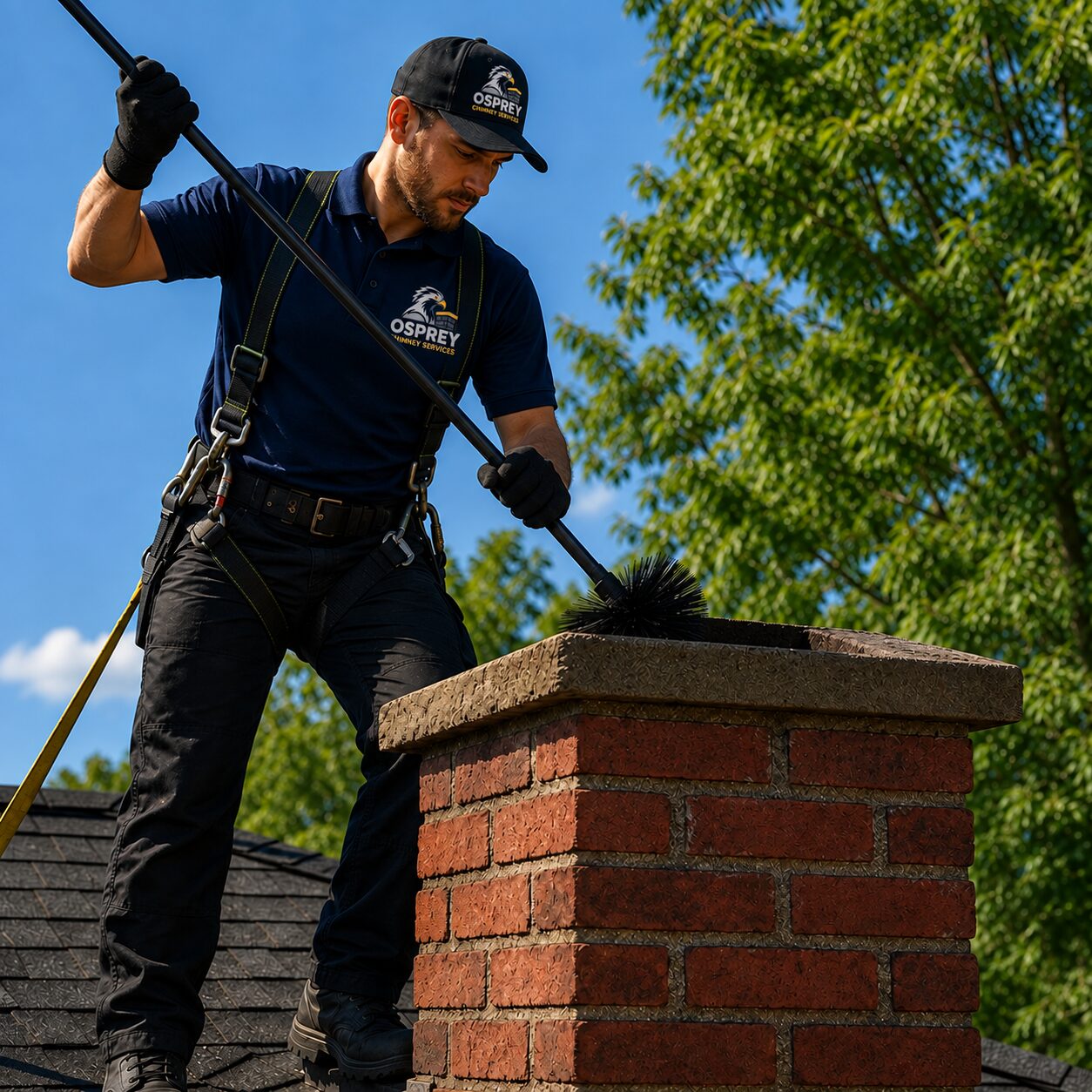
Chimney Cleaning
A proper sweep clears the entire flue — the part you can't see — not just the soot in the firebox you can reach with a vacuum.
Learn more →Everything we do, grouped by what you need — from a routine sweep to a full restoration, and every fireplace type in between. Each page explains the real symptoms, how we diagnose, your options and their limits.
A proper sweep clears the entire flue — the part you can't see — not just the soot in the firebox you can reach with a vacuum.
Learn more →
Clearing ash and soot from the firebox and the surfaces you see is useful housekeeping — but it's not the same as sweeping the flue above it.
Learn more →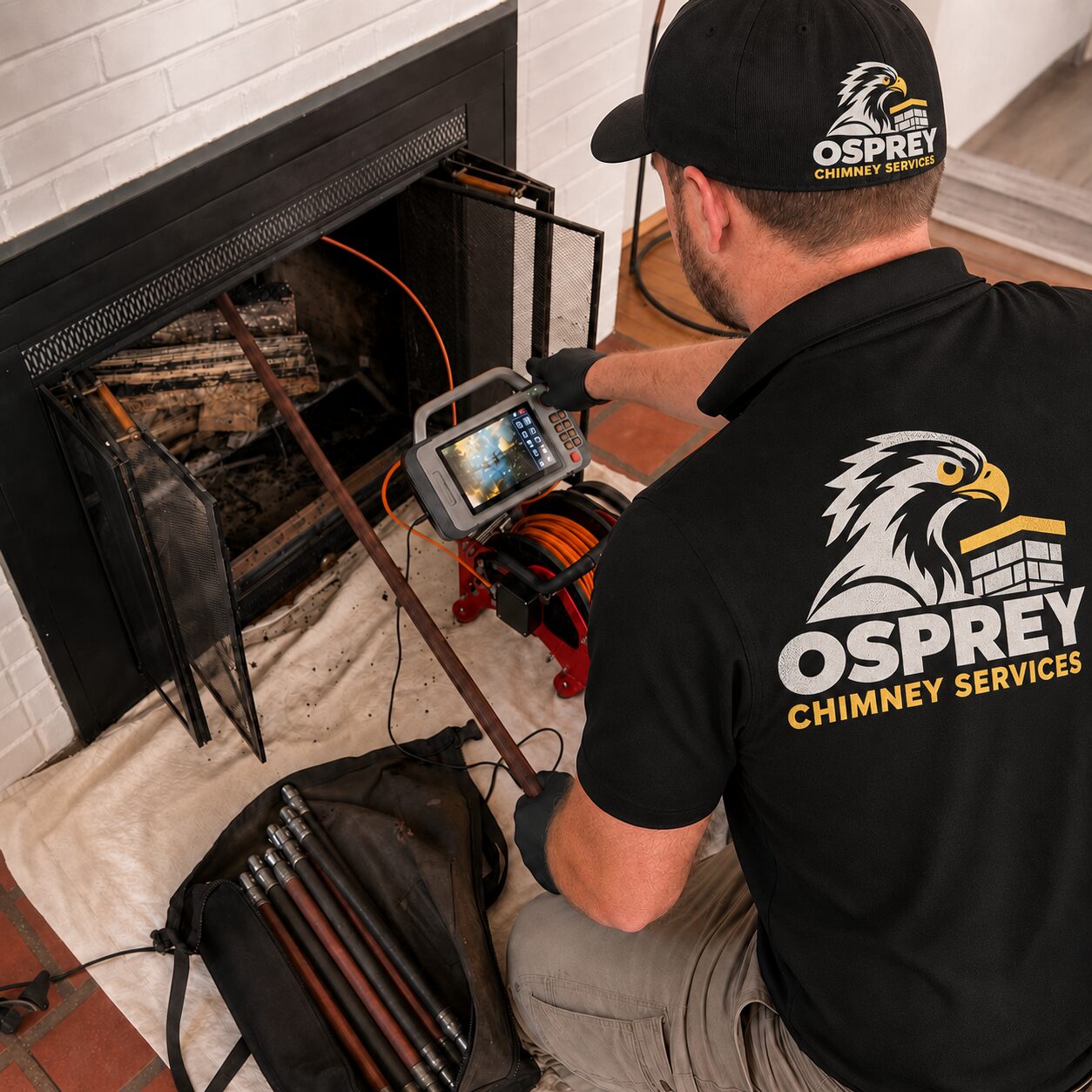
An inspection is where every honest recommendation starts. We assess the system, then tell you in plain language what we found and what — if anything — it means.
Learn more →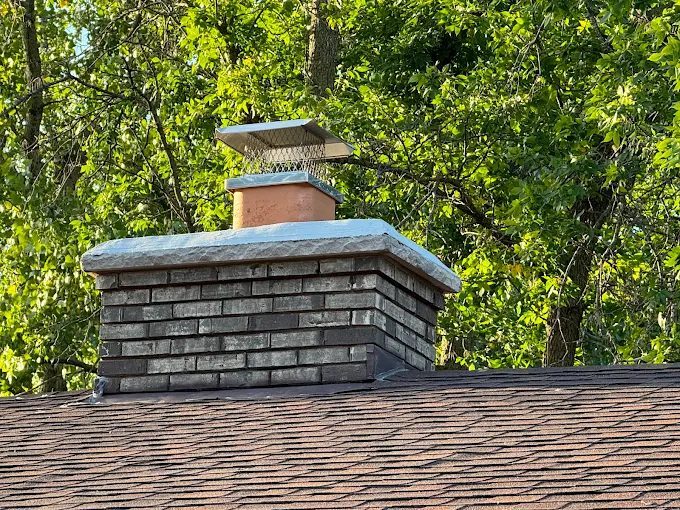
For a system you use the same way each year with no changes, a Level 1 inspection is the routine, readily-accessible check that confirms it's ready.
Learn more →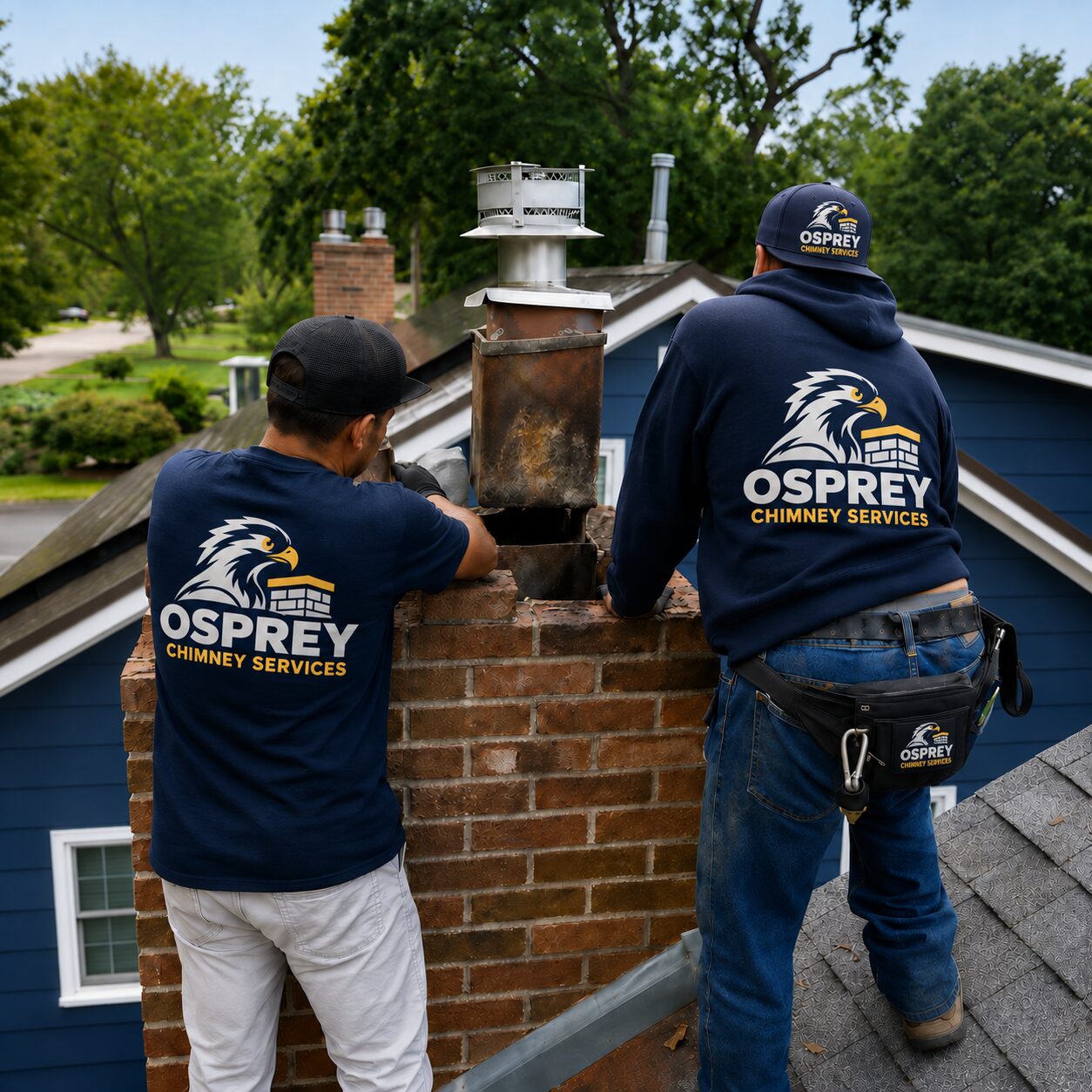
When there's a sale, a change to the system, or a reason for concern, a Level 2 looks closer than the accessible surfaces — including inside the flue.
Learn more →A video scan sends a camera up the flue to show what a flashlight from the firebox can't — cracks, gaps, blockages and liner condition along the run.
Learn more →
When a home changes hands, the fireplace and chimney should be looked at along their length — buyers and sellers both deserve a clear, current picture.
Learn more →"Chimney repair" can mean a dozen different things. The first job is always to diagnose what's actually wrong before quoting a fix.
Learn more →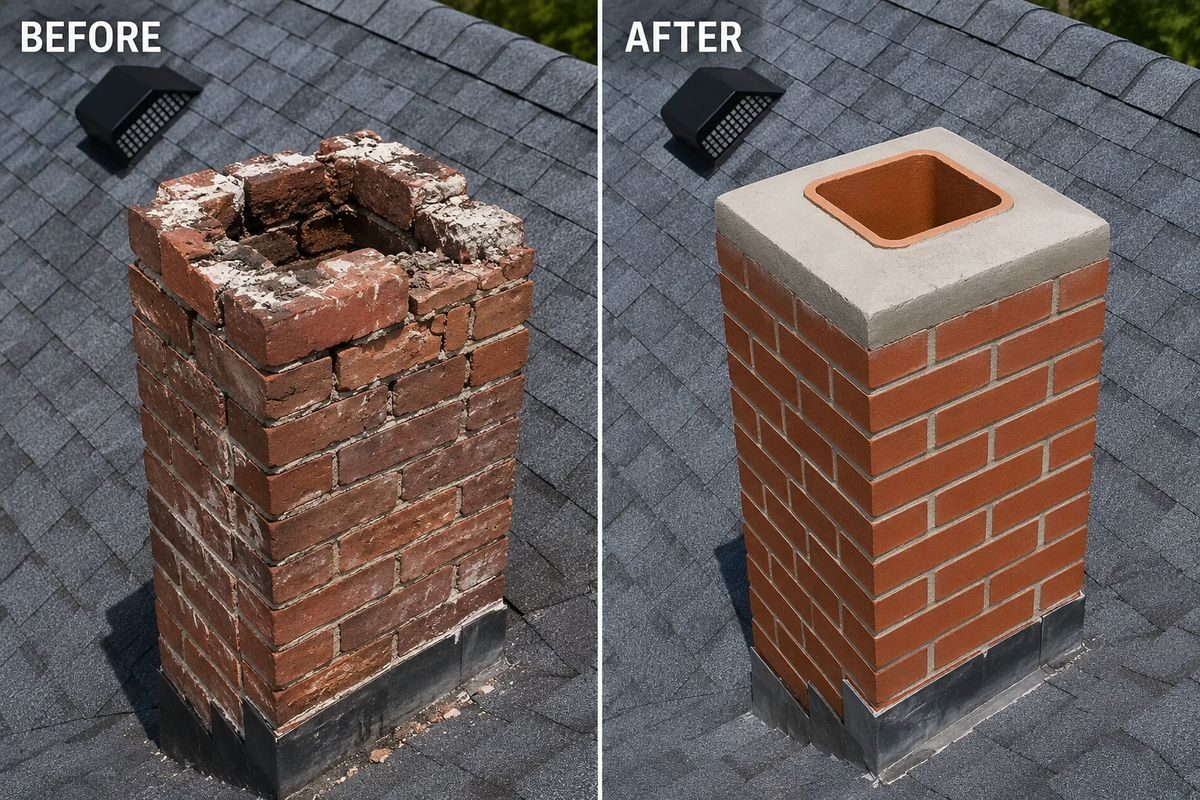
When a chimney has several issues at once, restoration brings them together into one planned, staged scope rather than a scatter of one-off repairs.
Learn more →When masonry has deteriorated past the point where patching holds, rebuilding the affected section restores real structure instead of buying a little more time.
Learn more →Brick and mortar fail in different ways for different reasons — telling a surface problem from a structural one is the whole job.
Learn more →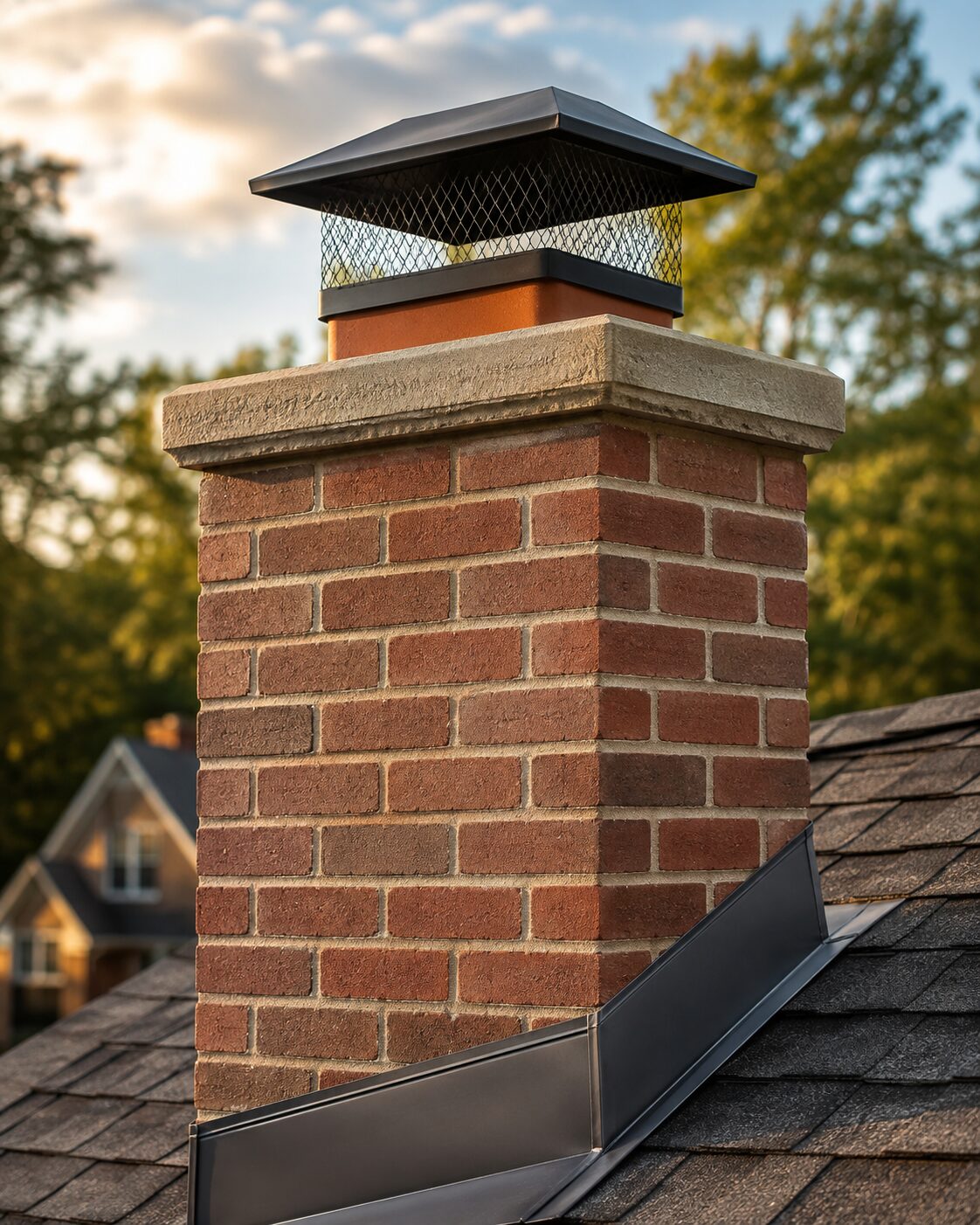
Mortar joints are the first line to fail. Renewing them keeps water out of the masonry — the damaged brick that follows is a costlier problem.
Learn more →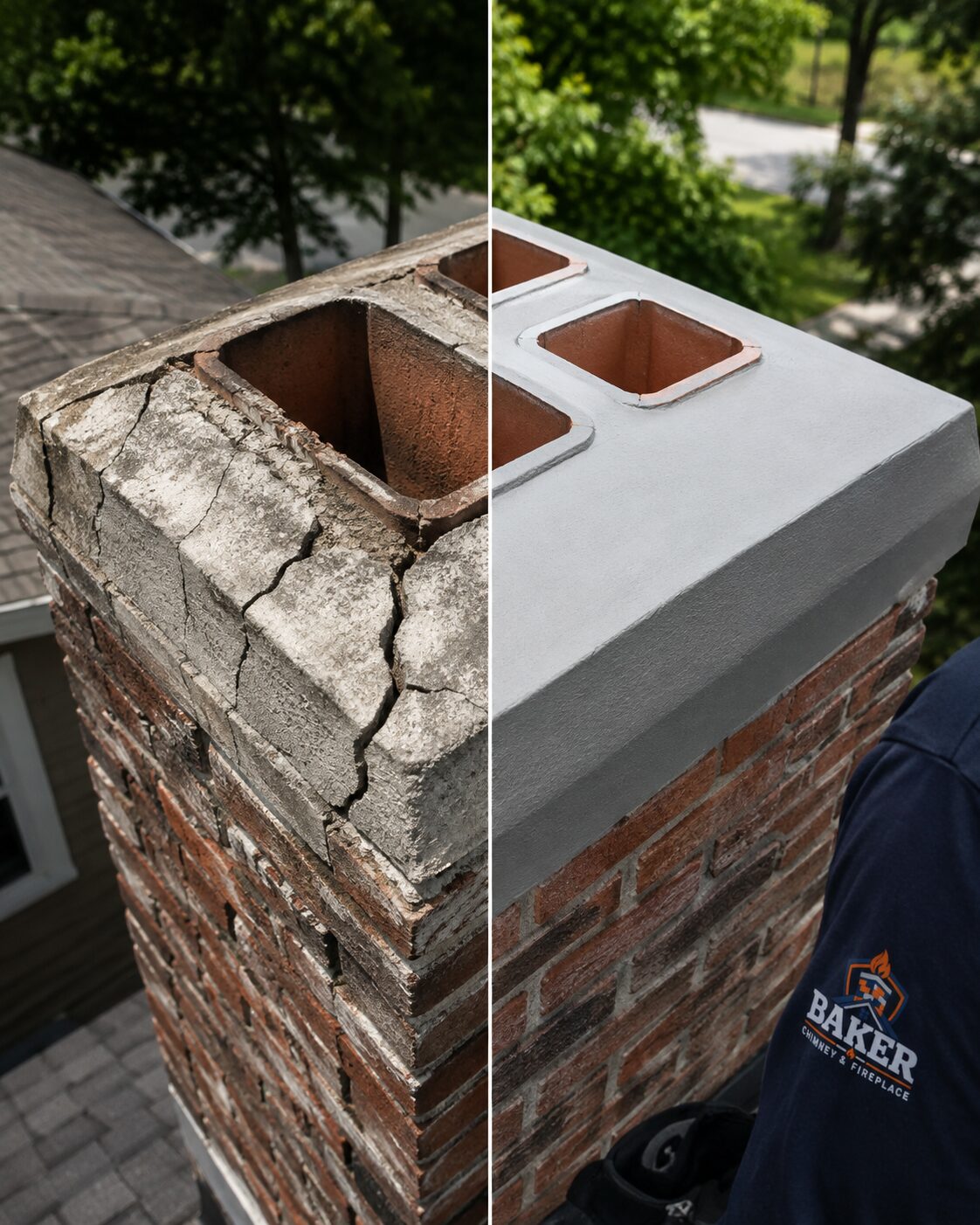
The crown is the sloped masonry surface on top of the chimney. When it cracks, water goes straight down into the structure — so small cracks matter.
Learn more →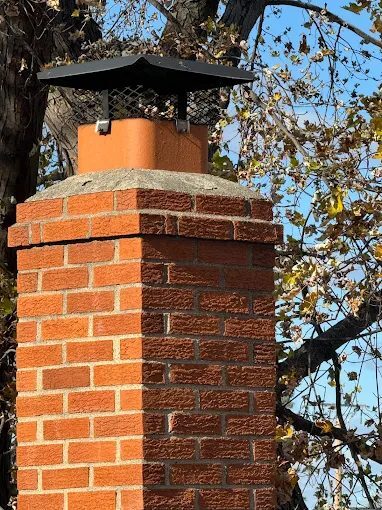
A good cap is a small part that prevents big problems — rain, leaves, nesting animals and downdrafts all enter through an open flue.
Learn more →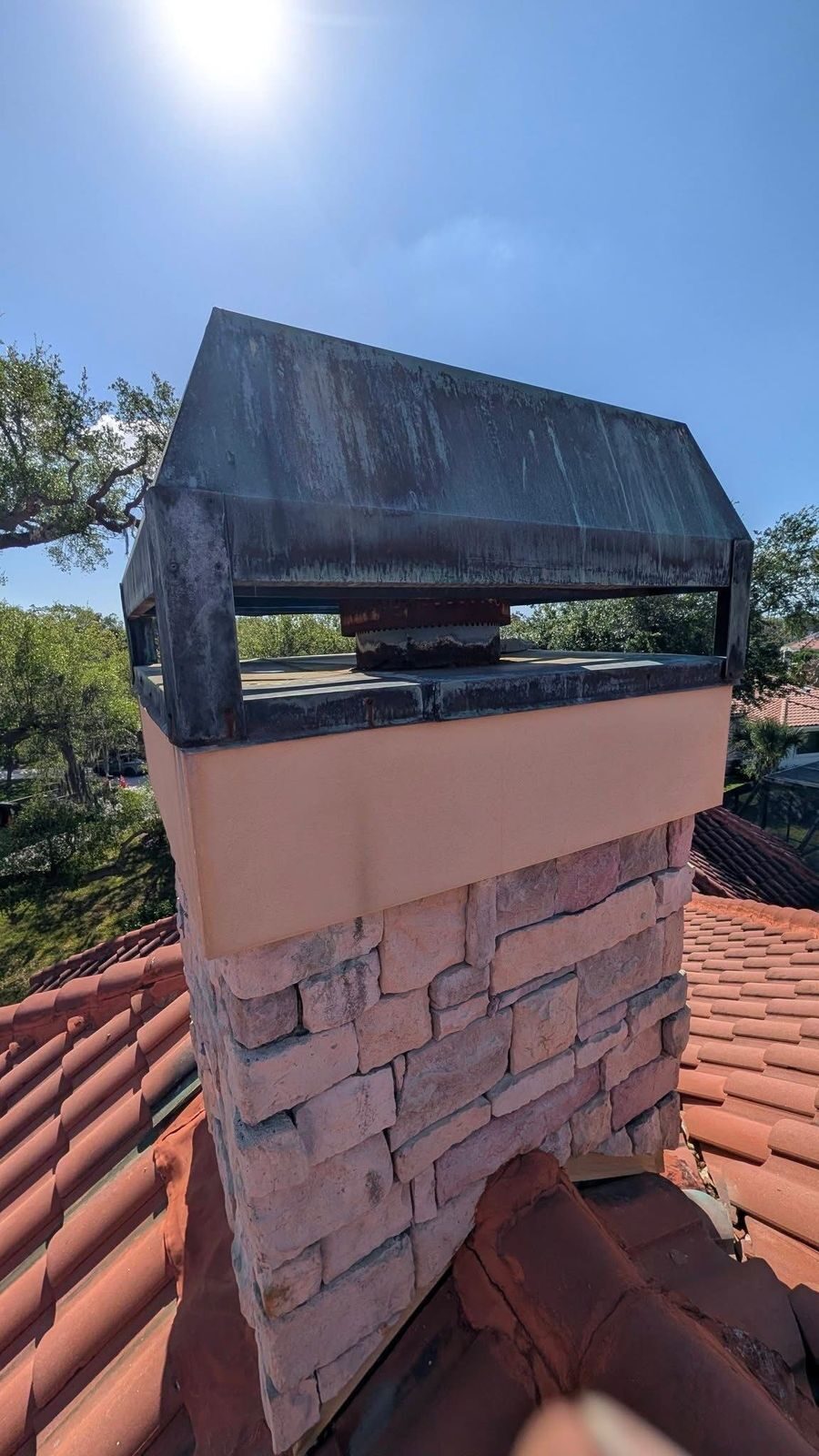
On a factory-built chimney, the flat metal 'chase cover' on top is a common source of rust stains and leaks — and a frequent candidate for replacement.
Learn more →
A stain on the ceiling tells you water is getting in — not where. Sealing the stain instead of the source is why leaks 'come back.'
Learn more →
Flashing is the metal that seals the seam where the chimney passes through the roof. It's one of the most common places a 'chimney leak' actually starts.
Learn more →A breathable water-repellent helps porous masonry shed rain instead of soaking it up — but it's not a fix for a leaking crown, cap or flashing.
Learn more →The liner is the surface that contains heat and combustion byproducts inside the flue. When it deteriorates, that containment is what's at stake.
Learn more →Relining installs a new liner sized and rated for the appliance it serves — which is why the right answer starts with the appliance, not the pipe.
Learn more →The damper is the valve that opens the flue for a fire and closes it when you're done. Stuck open, it leaks air; stuck shut, it traps smoke.
Learn more →A top-sealing damper closes the flue at the very top with a rubber gasket — a tighter seal than a throat damper, and it caps the flue at the same time.
Learn more →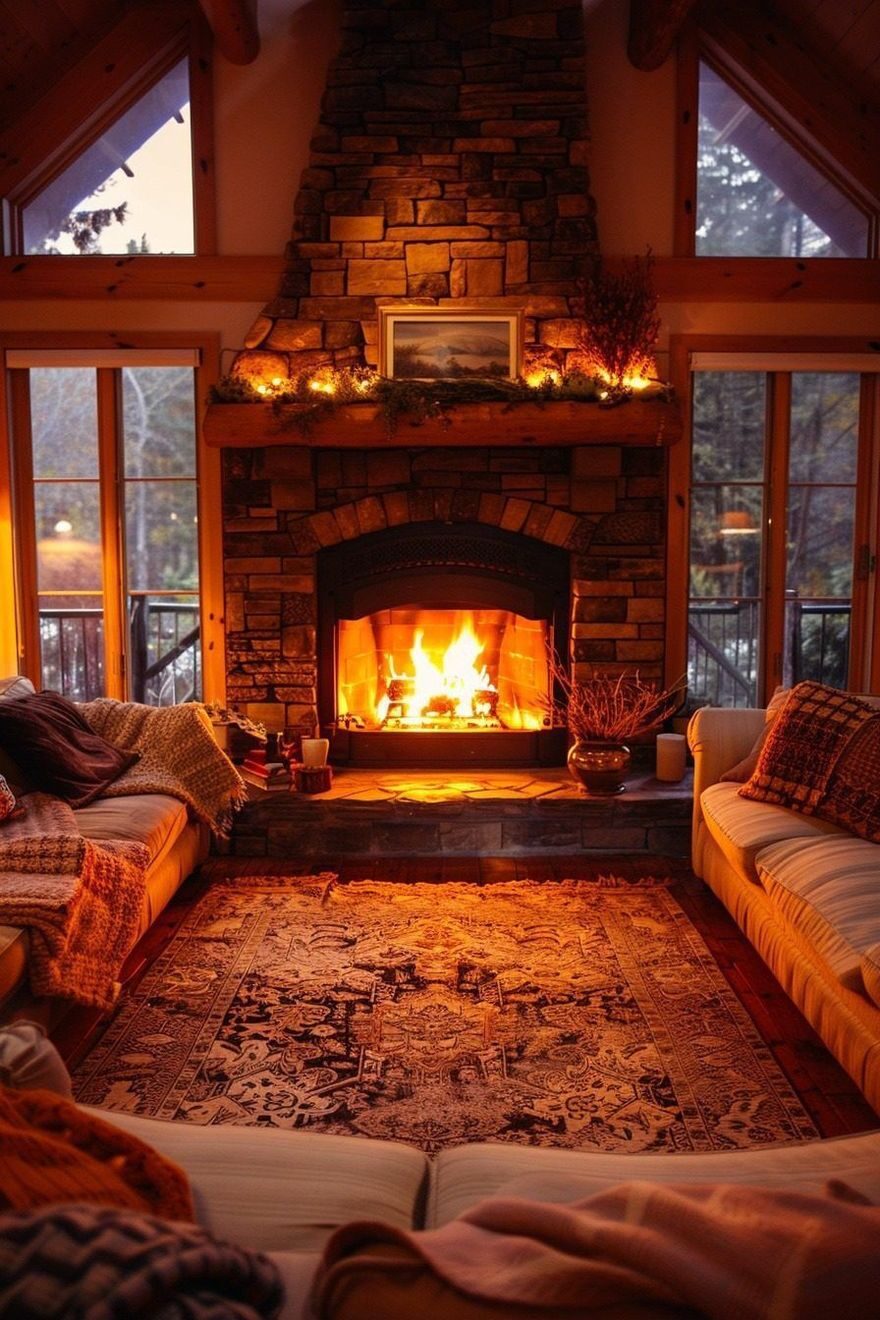
A fireplace that smokes into the room can have very different causes — and the fix depends entirely on which one you actually have.
Learn more →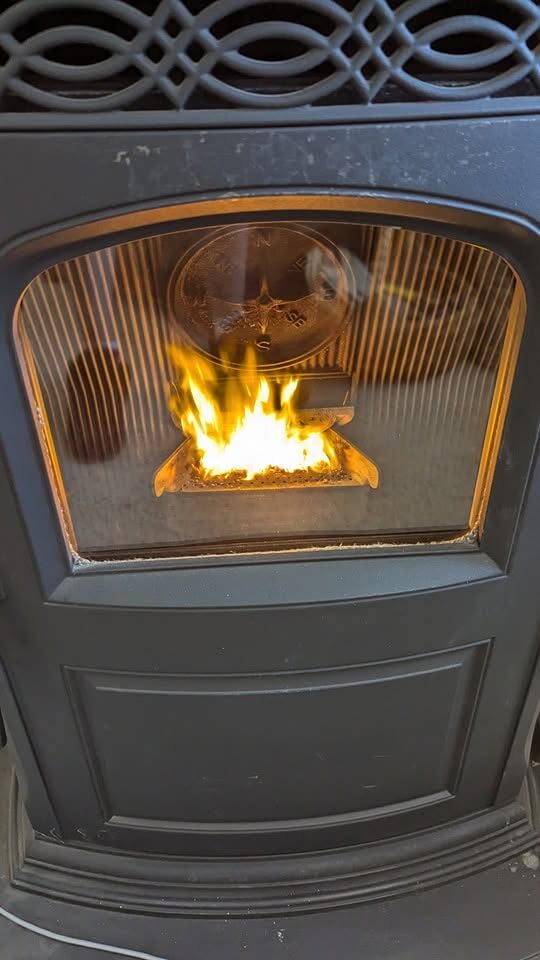
The firebox takes the direct heat of every fire. Cracked firebrick and failing joints there are common — and worth addressing before they spread.
Learn more →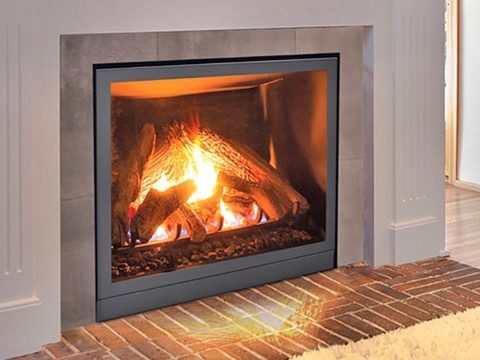
Factory-built fireplaces line the firebox with refractory panels instead of firebrick. When they crack past a certain point, they're meant to be replaced — with the right parts.
Learn more →The smoke chamber is the transition just above the firebox that funnels smoke into the flue. Rough or damaged, it hurts draft and can collect creosote.
Learn more →Before any part gets replaced, the question is which fireplace you have — wood, gas, or factory-built — because each fails and gets fixed differently.
Learn more →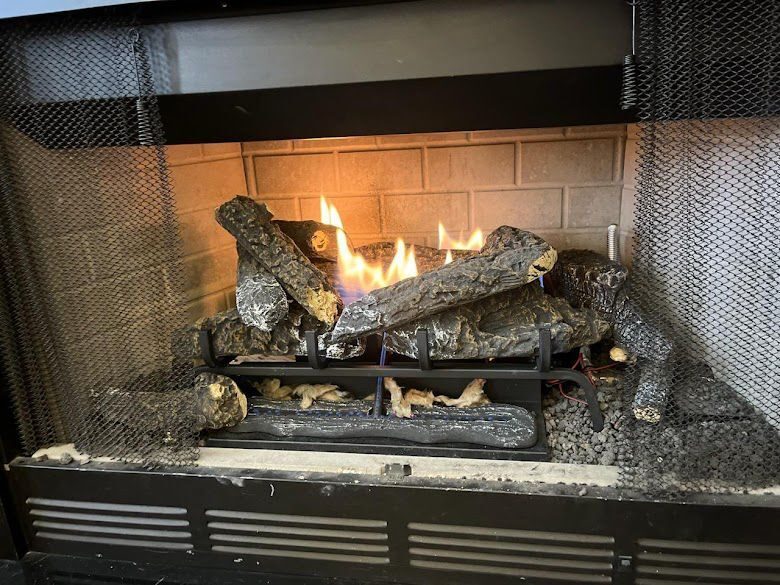
Gas fireplaces fail at the ignition, the controls, the burner or the venting — and gas work belongs with licensed professionals. We diagnose and coordinate the fix.
Learn more →Gas fireplaces are lower-maintenance than wood, not no-maintenance. Periodic inspection, cleaning and operational checks keep them safe and reliable.
Learn more →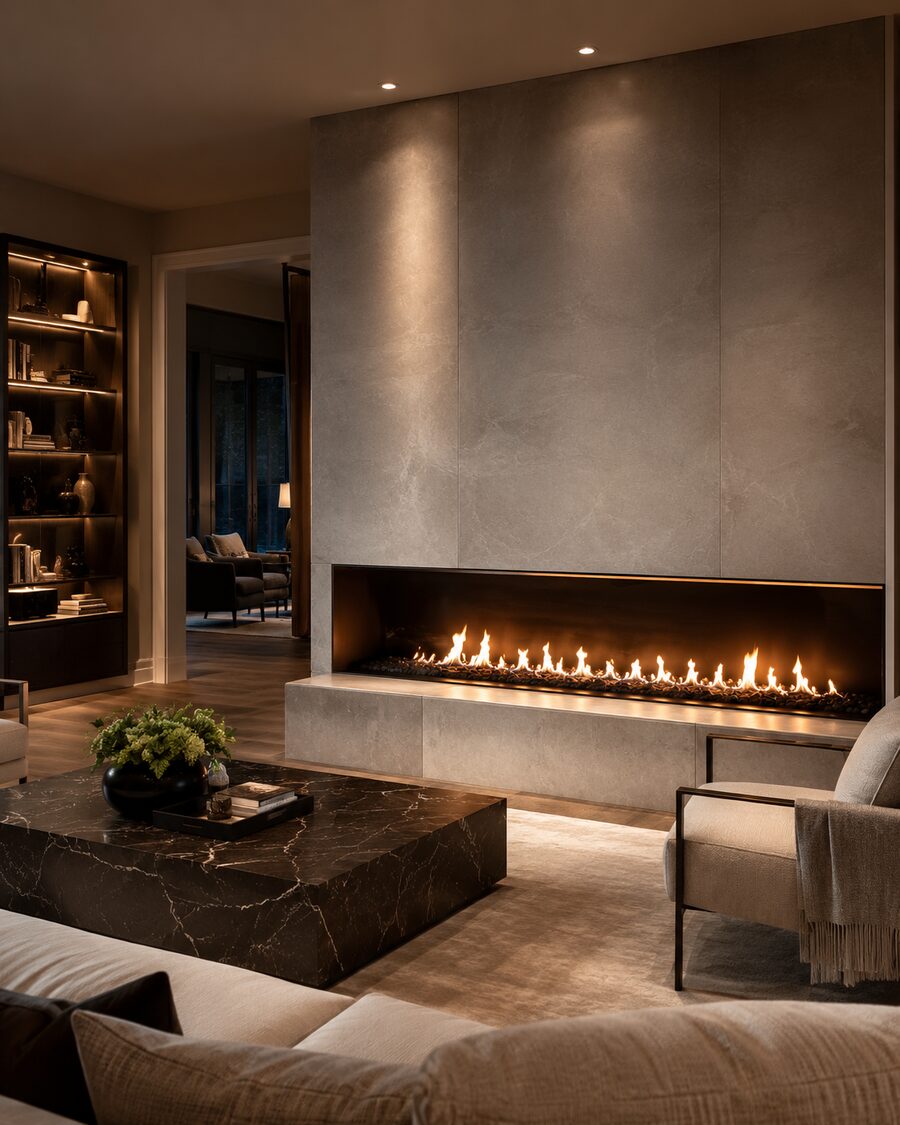
Gas logs come in vented and vent-free types that suit different fireplaces and fuels — matching the set to your system is the part that matters.
Learn more →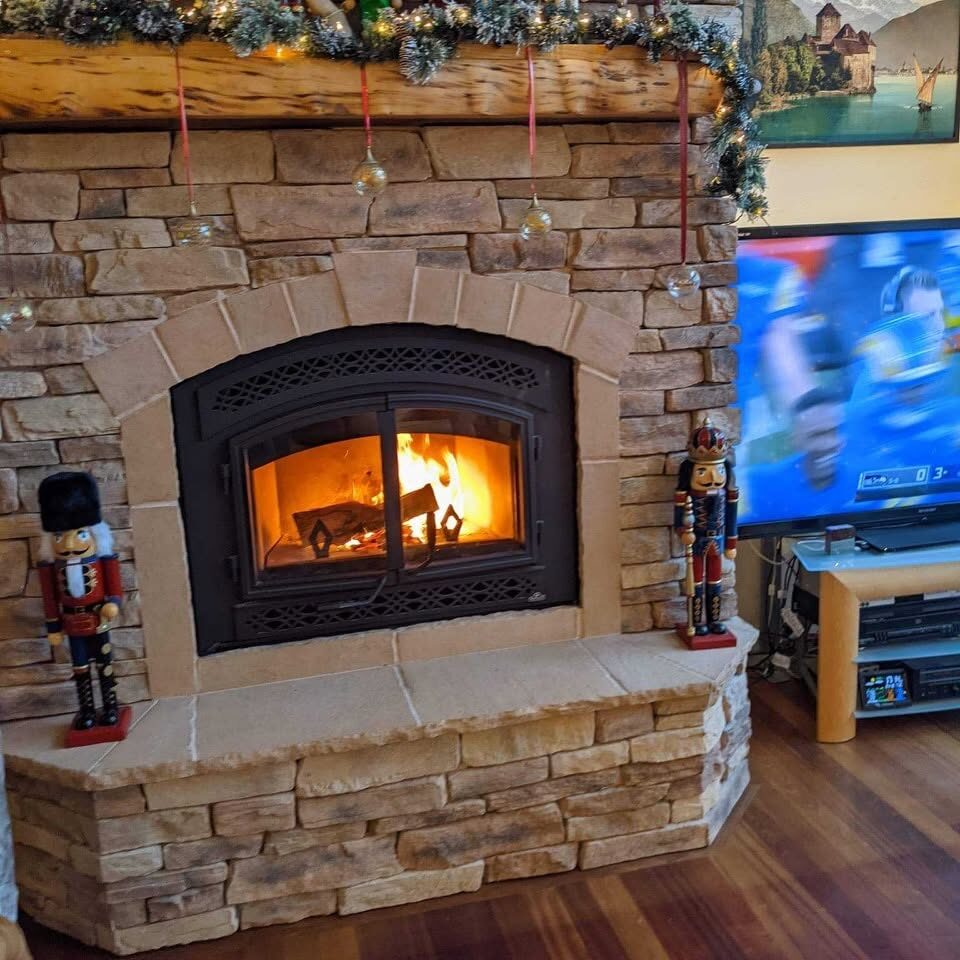
A wood-burning fireplace stays safe through a simple rhythm: sweep when needed, inspect yearly, and burn in ways that keep buildup down.
Learn more →
A new fireplace is more than the appliance — site conditions, venting, clearances, permits and coordinated trades all decide whether it's done right.
Learn more →A new chimney or venting system has to be chosen for the appliance it serves and installed with proper structure, clearances and coordination.
Learn more →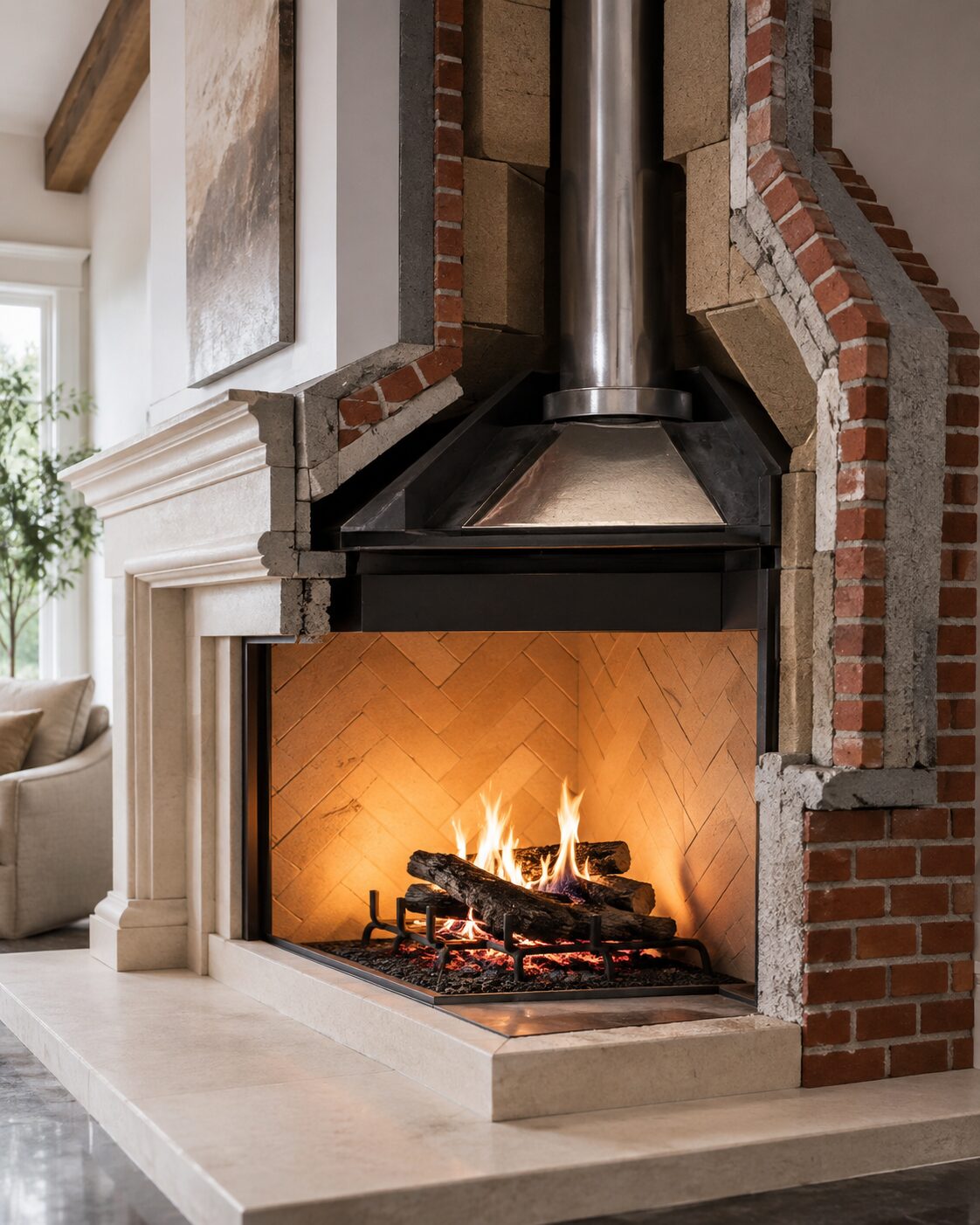
An insert drops an efficient, sealed unit into an existing fireplace opening — but the venting, liner and clearances all have to be matched correctly.
Learn more →
Factory-built fireplaces are repaired with model-specific parts — and sometimes the honest answer is that a unit is past safe repair.
Learn more →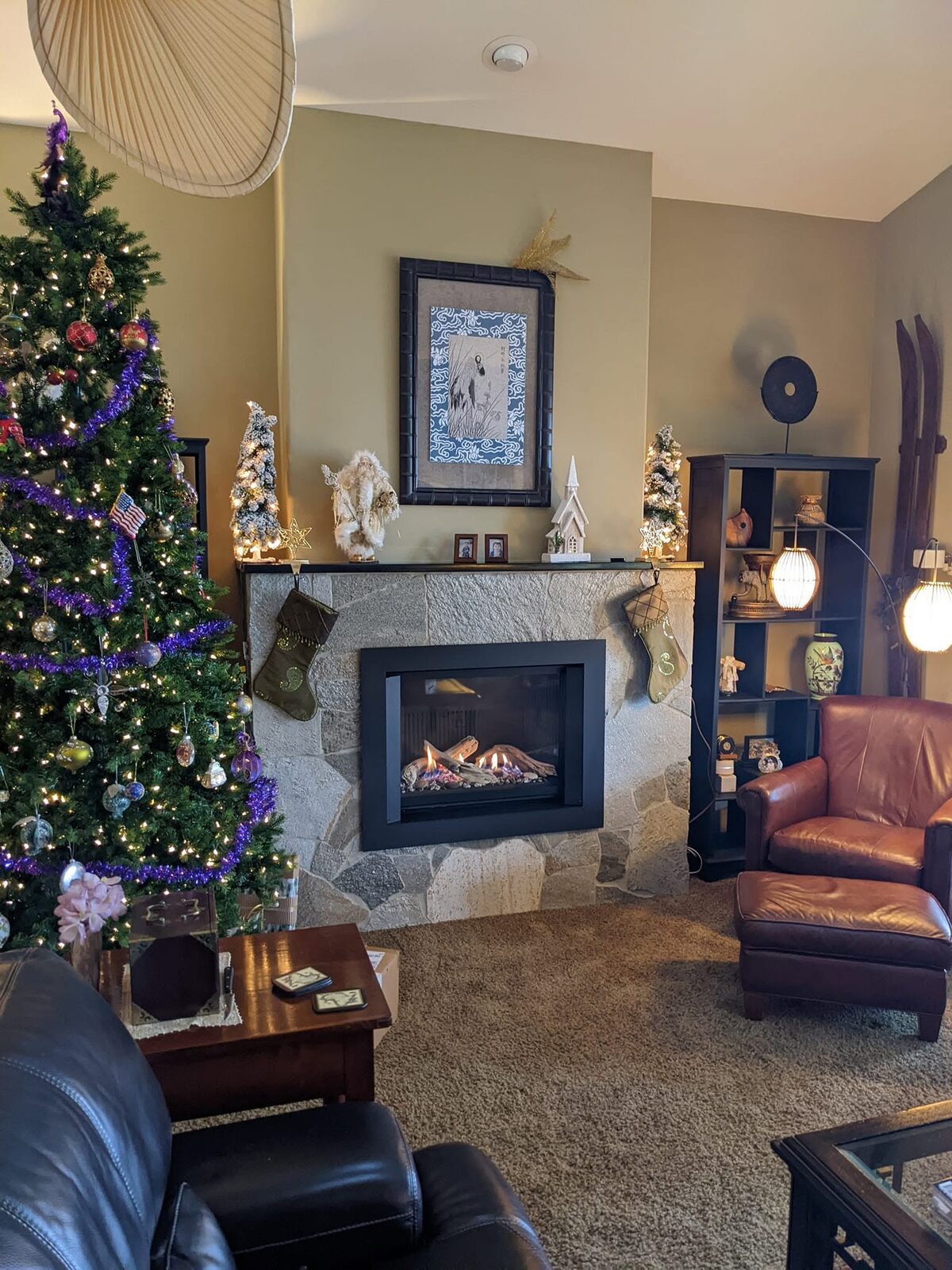
Trading wood for the convenience of gas is popular in South Florida — but a real conversion depends on suitability, gas supply, venting and licensed work.
Learn more →An open flue is an open invitation to birds, squirrels and raccoons. The fix is the right cap and screening — and the humane, lawful order of doing it.
Learn more →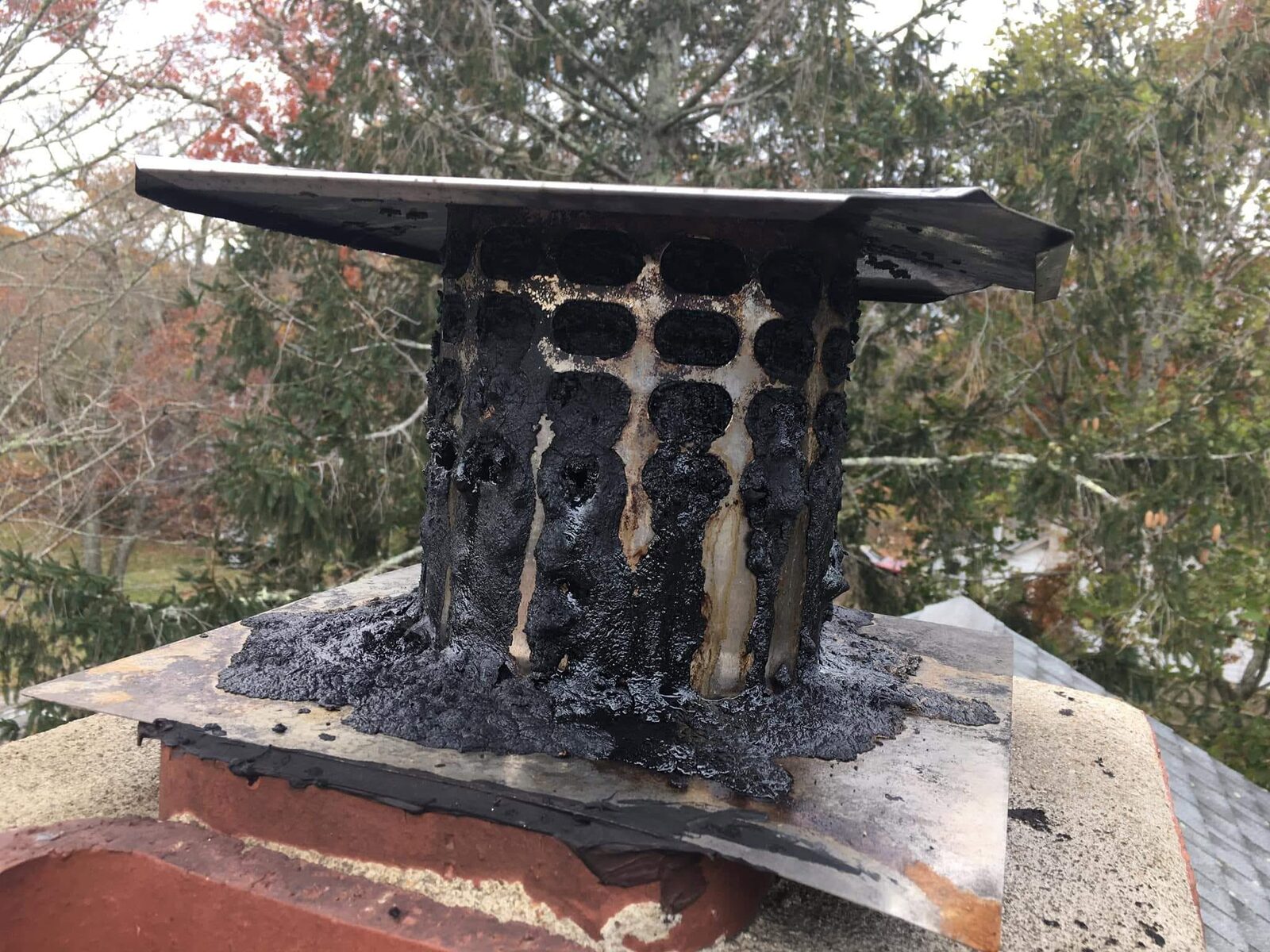
South Florida storms are hard on chimneys. After one, the right first move is an assessment — before you use the fireplace or just cover the damage.
Learn more →
A dryer vent isn't part of your fireplace flue — it's its own duct, and packed lint is both a fire risk and the reason clothes take two cycles to dry.
Learn more →Not sure whether it's a cleaning, a repair, or something to look at before your next fire? Tell us what you're noticing and we'll help you figure out the right next step.