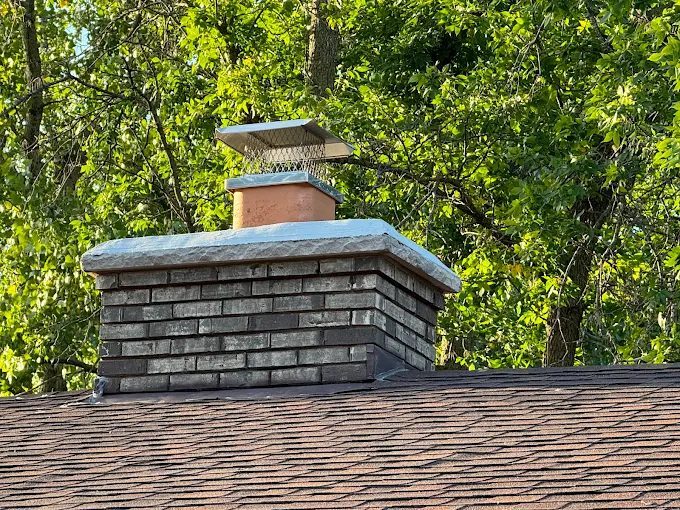
Relining puts a new liner inside the flue — commonly a stainless steel liner — when the original is damaged, unsuitable, or being matched to a new or different appliance. The part homeowners don't always expect is how much specification matters: a liner has to be correctly sized and rated for the appliance and fuel it serves. An oversized or undersized liner causes its own draft and performance problems. That's why we inspect and confirm the appliance details before specifying anything.
What homeowners notice
- An inspection found the existing liner damaged or unsuitable
- You're installing or changing an appliance, insert or stove
- You're converting fuels and the flue needs to match the new appliance
- An older chimney has no sound liner
How we diagnose it
- A camera scan and inspection of the existing flue
- Confirming the appliance type, fuel and required liner size and rating
- Checking the flue path for offsets that affect the liner
- Verifying the connection and termination details
Your options — and their limits
Stainless steel liner
A common, durable choice matched to the appliance and fuel.
Insulated liner
Where performance or clearance calls for it, an insulated liner improves draft and safety margins.
Reline with appliance work
When a new insert or stove is involved, the liner is specified as part of that installation.
What affects the price
We don't post flat prices, because an honest number depends on what we actually find. These are the factors that move it:
- Liner type, size and length
- Whether insulation is required
- Number of offsets and difficulty of the flue path
- Appliance connection and termination work
When to stop using the system and get it evaluated
- The existing flue is breached or has no sound liner — don't use the appliance until it's relined or repaired
- The appliance and flue are mismatched
How to prepare for the visit
- Have the appliance make, model and fuel details ready
- Provide any prior inspection findings
Applies to
Questions homeowners ask
Why can't you just pick a standard liner size?
Because the liner has to match the appliance and fuel. Too big or too small and you get poor draft or performance. Sizing follows the appliance, so we confirm that first.
Do I need to reline, or can the liner be repaired?
It depends on the material and damage. We evaluate with a camera scan and recommend repair where it's sound, relining where it isn't. We won't push relining if a repair would genuinely serve.
Related services
Chimney Liner Repair · Chimney Camera Inspection · Fireplace Insert Installation · Level 2 Chimney Inspection
Serving South Florida
We provide chimney relining across Palm Beach, Broward and Miami-Dade. A few of the areas we serve:
Talk to a South Florida chimney technician
Not sure whether it's a cleaning, a repair, or something to look at before your next fire? Tell us what you're noticing and we'll help you figure out the right next step.