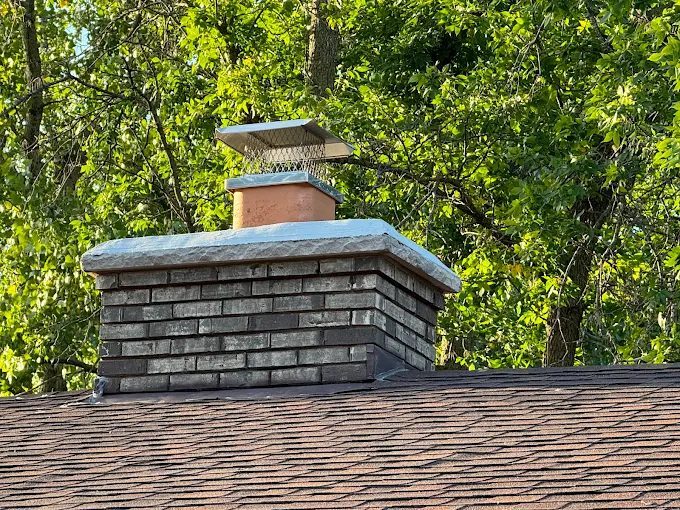
Uncapped or poorly screened flues invite wildlife — birds nesting, squirrels and raccoons denning, and the noise, odor and blockage that follow. Prevention is straightforward: a properly fitted cap with the right screening keeps animals out while letting smoke escape. The important part is sequence. If animals are currently in the chimney, they must be removed lawfully and humanely first — that's wildlife work we refer to a qualified professional — before we cap the flue, so nothing is sealed inside.
What homeowners notice
- Scratching, chirping or scrambling sounds from the chimney
- Nesting debris, odor, or animals seen entering the flue
- An uncapped flue or a cap with damaged or missing screening
- Repeated animal entry each season
How we diagnose it
- We check whether the flue is capped and screened
- We assess the cap type and screening needed for local wildlife
- We look for signs animals are currently present
- We confirm the flue is clear before capping
Your options — and their limits
Cap with proper screening
A correctly fitted cap with mesh that keeps animals out while venting smoke.
Multi-flue top cover
Full top coverage where there are multiple flues or an irregular top.
Remove-then-cap sequence
If animals are present, lawful humane removal (referred to a wildlife professional) first, then capping.
What affects the price
We don't post flat prices, because an honest number depends on what we actually find. These are the factors that move it:
- Cap type, size and screening
- Whether removal is needed first (referred out)
- Number of flues and access
- Material suited to coastal exposure
When to stop using the system and get it evaluated
- Don't light a fire if you suspect an animal is in the flue — it's inhumane and can create a blockage and smoke hazard
- Don't cap a flue with an animal still inside
How to prepare for the visit
- Note the sounds and when you hear them (nesting season is common)
- Tell us if you've seen animals entering or found nesting debris
Applies to
A note on scope: Live wildlife removal is referred to a qualified, licensed wildlife professional and handled lawfully and humanely before capping.
Questions homeowners ask
Can you remove the animals too?
Live wildlife removal is specialized and regulated, so we refer that to a qualified wildlife professional. Once the flue is clear, we install the cap and screening that keeps them out for good.
Why not just cap it now?
Capping a flue with an animal inside traps it — which is inhumane and creates a blockage and odor problem. Clearing the flue first is the right order.
Related services
Chimney Cap Installation · Chimney Inspection · Chimney Cleaning · Chimney Chase Cover Replacement
Serving South Florida
We provide chimney animal entry prevention across Palm Beach, Broward and Miami-Dade. A few of the areas we serve:
Talk to a South Florida chimney technician
Not sure whether it's a cleaning, a repair, or something to look at before your next fire? Tell us what you're noticing and we'll help you figure out the right next step.