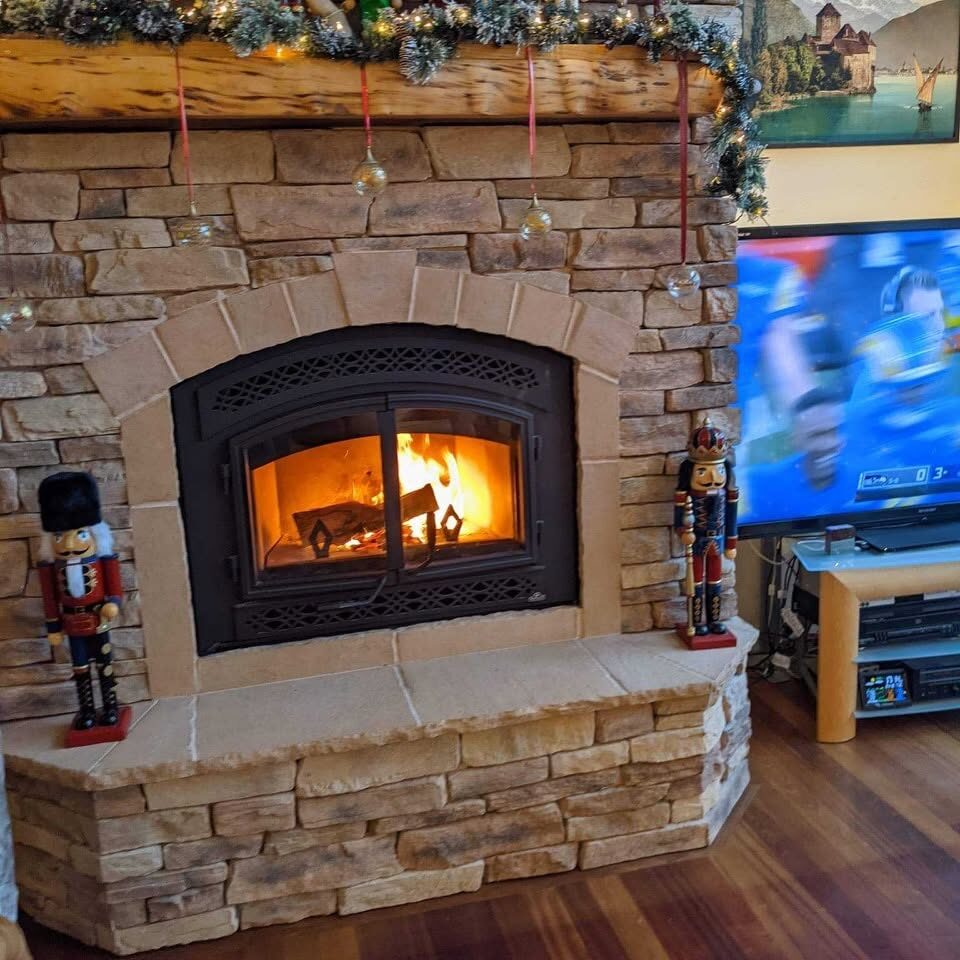
Wood-burning fireplaces need the most upkeep because burning wood produces creosote and ash. Good maintenance is a combination of things: sweeping the flue when buildup calls for it, an annual inspection to catch masonry, liner or draft issues, and burning habits that reduce creosote in the first place — seasoned wood, hot clean fires, not smoldering damp logs. In South Florida, fireplaces often sit unused for long stretches, so a check before the season also catches animals, debris and moisture issues.
What homeowners notice
- It's been a season or more since the last sweep or inspection
- Buildup on the damper or upper firebox, or a campfire smell
- Harder starts, more smoke, or a fire that won't draw well
- The fireplace has sat unused and you want to use it again
How we diagnose it
- We inspect the firebox, damper, flue and masonry for wear
- We assess creosote buildup and whether a sweep is due
- We check for animals, debris or moisture after long idle periods
- We review your burning practices and suggest improvements
Your options — and their limits
Sweep and inspect
The core maintenance pairing — clean the flue and confirm the system is sound.
Pre-season readiness check
Before the cooler months, catching buildup, blockages and moisture issues at once.
Habit guidance
Practical advice on wood, fire size and operation to reduce future buildup.
What affects the price
We don't post flat prices, because an honest number depends on what we actually find. These are the factors that move it:
- Whether a sweep is due and how much buildup is present
- Inspection level appropriate to the system
- Access and chimney height
When to stop using the system and get it evaluated
- You find glazed, shiny creosote — highly flammable and needs evaluation before burning
- You've had any chimney fire, even a brief one
- Smoke pushes into the room and won't draft
How to prepare for the visit
- Let the fireplace go cold before the visit
- Note how often and what you burn
Applies to
Questions homeowners ask
What burning habits reduce buildup?
Burn well-seasoned, dry wood in hot, clean fires rather than smoldering damp logs. Slow, low, smoky fires produce the most creosote. Good habits mean fewer, easier sweeps.
How often should I have it serviced?
Have it inspected yearly; sweep as the buildup warrants, which depends on how much you burn. The annual inspection is what tells you whether a sweep is due.
Related services
Chimney Cleaning · Chimney Inspection · Fireplace Cleaning · Chimney Smoke & Draft Diagnosis
Serving South Florida
We provide wood-burning fireplace maintenance across Palm Beach, Broward and Miami-Dade. A few of the areas we serve:
Talk to a South Florida chimney technician
Not sure whether it's a cleaning, a repair, or something to look at before your next fire? Tell us what you're noticing and we'll help you figure out the right next step.