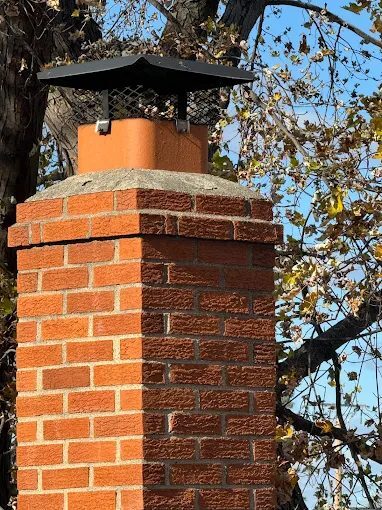
A windy night does not prove that a chimney is damaged. It also does not give an all-clear simply because the firebox looks normal from the living room. If you are in Jupiter after strong wind, ask whether anything about the fireplace, venting or roofline actually changed. Make the first check from a safe place and leave roof access to qualified professionals.
Look at the fireplace opening for fallen material, a new crack, water, soot in an unusual place or a moved screen. From the ground, compare the cap and chimney outline to an earlier photo if you have one. Check accessible rooms for new water marks. If a tree limb hit the house, debris landed on the roof, or a contractor noticed a changed cap or flashing, that information matters more than a generic wind-speed guess.
Four possible next steps
No new sign, known recent inspection: Keep the prior report and note the event. It is still sensible to follow ordinary inspection recommendations; the event alone does not mandate a rebuild.
Visible roofline change or loose-looking part: Do not use the fireplace until the component and venting are evaluated. A displaced cap can be a symptom of damage that cannot be judged from the driveway.
Water in or near the fireplace: Document its timing and avoid making a cap-only diagnosis. The source may involve roof integration, top protection or masonry; chimney leak repair should be based on a traced path.
Smoke, odor or operating change at the next use: Stop using the appliance and request a professional evaluation. If a gas odor is involved, leave and call the utility/911 from a safe place rather than testing the fireplace again.
CSIA's chimney safety material notes that weather events can be a reason for a more detailed inspection when damage is likely. That is a decision about the specific event and system, not a claim that all Jupiter homes need Level 2 inspection after every storm. Tell the inspector what happened, which appliance the vent serves and whether someone has already examined the roof.
What to ask in the report
Was the visible exterior checked? Was the top accessible? Did the inspector view the flue interior if the concern justified it? Were photographs labeled to show location and direction? Does the recommendation concern immediate use, routine maintenance or work by a roofer? An honest limitation in a report is useful; it tells you what remains unknown. If a roof was inaccessible after the storm, don't let “fireplace looks okay inside” silently stand in for a full chimney inspection.
The goal is proportion: notice actual changes, avoid risky DIY roof checks, and get a scope that matches the evidence.
A post-storm comparison worth keeping
Open your pre-storm photo and take a new one from nearly the same ground-level spot. Compare cap position, chase-top outline, visible masonry edges and the roofline. If a difference is hard to see, do not climb for a better angle. Mark the uncertainty in your message to the service provider. The photos can direct attention to a component, but they cannot establish that a flue liner or hidden connector is intact.
Ask whether anyone was already on the roof for another reason and can provide safe, dated images. A roofer's photograph of flashing can be helpful, but it should be interpreted by someone who knows the chimney system and the purpose of each part. If tree debris remains on the roof or electrical lines are involved, use the proper emergency and utility channels rather than arranging routine chimney access.
A report after a significant event should specify the event, inspection level and inspected areas. If the technician identifies an issue, ask whether it arose from the storm or whether its age cannot be determined. Homeowners often need to plan a repair regardless, but an honest record should not assign a cause without evidence. A proposal to replace a cap should not be presented as confirmation that there was no separate flue or masonry damage.
Finally, keep the system's operating status clear. “No visible damage from the driveway” is an observation; “approved for use” is a conclusion requiring a different basis. When an inspector has not reached an area, preserve that limitation so a later user does not treat a partial view as a full post-storm check.
Further reading: CSIA Level 2 inspection procedure; NHC hurricane climatology.