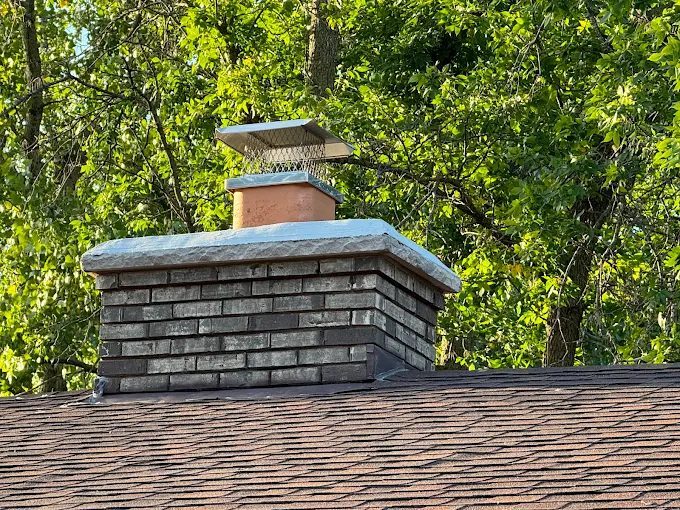
Scratching, chirping or movement in a chimney is a reason to leave the fireplace unused until you know what is there. Lighting a fire to “send it out” can injure an animal, create a blockage or put smoke into the home. Capping an active nest can trap wildlife. For a North Palm Beach homeowner, the responsible first step is to note what you hear and contact an appropriately qualified wildlife or chimney professional.
The location of the sound matters. Is it near the flue, inside the chase, or in a wall or attic? Do you see feathers, twigs or other debris in an accessible part of the opening? Do not reach into the chimney or remove material on your own. Close the fireplace screen if it can be done normally without reaching near the animal, keep people and pets away, and tell the professional what you observed.
Wildlife protection is part of the answer
Florida Fish and Wildlife Conservation Commission information on chimney swifts notes that these birds may nest in chimneys and that nesting is seasonal. Other birds and animals have different legal and practical considerations. Do not assume that everything heard in a chimney can simply be removed, or that it is definitely a chimney swift based on sound alone. A wildlife specialist can determine species and appropriate handling; a chimney professional can assess the vent and later discuss suitable entry prevention once it is unoccupied and lawful to do so.
The cap question comes afterward
A correctly selected cap or screen may help prevent future entry, but it must suit the chimney and appliance. A blocked or poorly fitted cap can itself create venting trouble. Ask whether the flue needs cleaning or chimney inspection after the animal is no longer present, especially if debris has fallen into the firebox. Obtain a description of what was removed and whether the vent path was checked before using the fireplace again.
The owner should tell the service provider whether this is a wood fireplace, gas appliance or factory-built system. For some gas terminations, an ordinary masonry chimney cap is not the right part. The goal is lawful animal handling plus a compatible entry-prevention solution, not just a mesh screen chosen from a photo.
If the animal is in a room rather than the chimney, follow local animal-control guidance and avoid handling it. If the fireplace is also producing smoke or gas odor, address the immediate safety issue first. A routine pest question can wait; an active gas odor cannot.
Do not turn prevention into entrapment
A homeowner may want to buy a cap immediately after hearing scratching. First confirm whether something is actually inside and what it is. Installing screening while a bird, bat or other animal remains can trap it and create an obstruction. The appropriate wildlife professional can advise on timing and lawful handling. FWC guidance about chimney swifts and protected birds is a reminder that nesting situations cannot all be treated as a simple pest removal job.
Ask the chimney specialist to distinguish the wildlife work from chimney work. Was debris left in the flue? Is the cap or termination compatible with the fireplace? Is there any damage or deposit requiring sweeping and inspection before the next use? A wildlife company may handle the animal while a qualified chimney technician evaluates the vent afterward. The person doing one task should not automatically be assumed to have completed the other.
If a cap is proposed, request the vent type, opening dimensions and maintenance plan. A screen that keeps out larger animals can also collect soot or debris on an appropriate wood system; it must be accessible for inspection. Factory-built gas equipment may use a different listed termination that cannot be replaced with a generic chimney cap. Ask for the product and rationale in writing.
Keep any unusual sounds, dates and professional findings in the home's record. If the sound returns after work, that history helps distinguish a recurring entry point from noise in a nearby wall or attic. Avoid telling guests the fireplace is available until the animal situation and vent condition have both been resolved.
Further reading: Florida FWC chimney swift profile; FWC protected wildlife permits.